
A pool that looked great 15 years ago can start showing its age in ways that are hard to ignore - rough plaster, dated tile, fading decking, leaks, rising maintenance costs, or a layout that no longer fits how your family actually uses the yard. That is where pool renovation versus replacement becomes a real decision, not just a design preference.
For homeowners in Katy, Houston, and nearby Texas communities, the right answer usually comes down to three things: the structural condition of the existing pool, the scale of the changes you want, and whether the investment improves long-term value. Some pools are strong candidates for renovation. Others have reached the point where replacement makes more sense financially and functionally.
How to think about pool renovation versus replacement
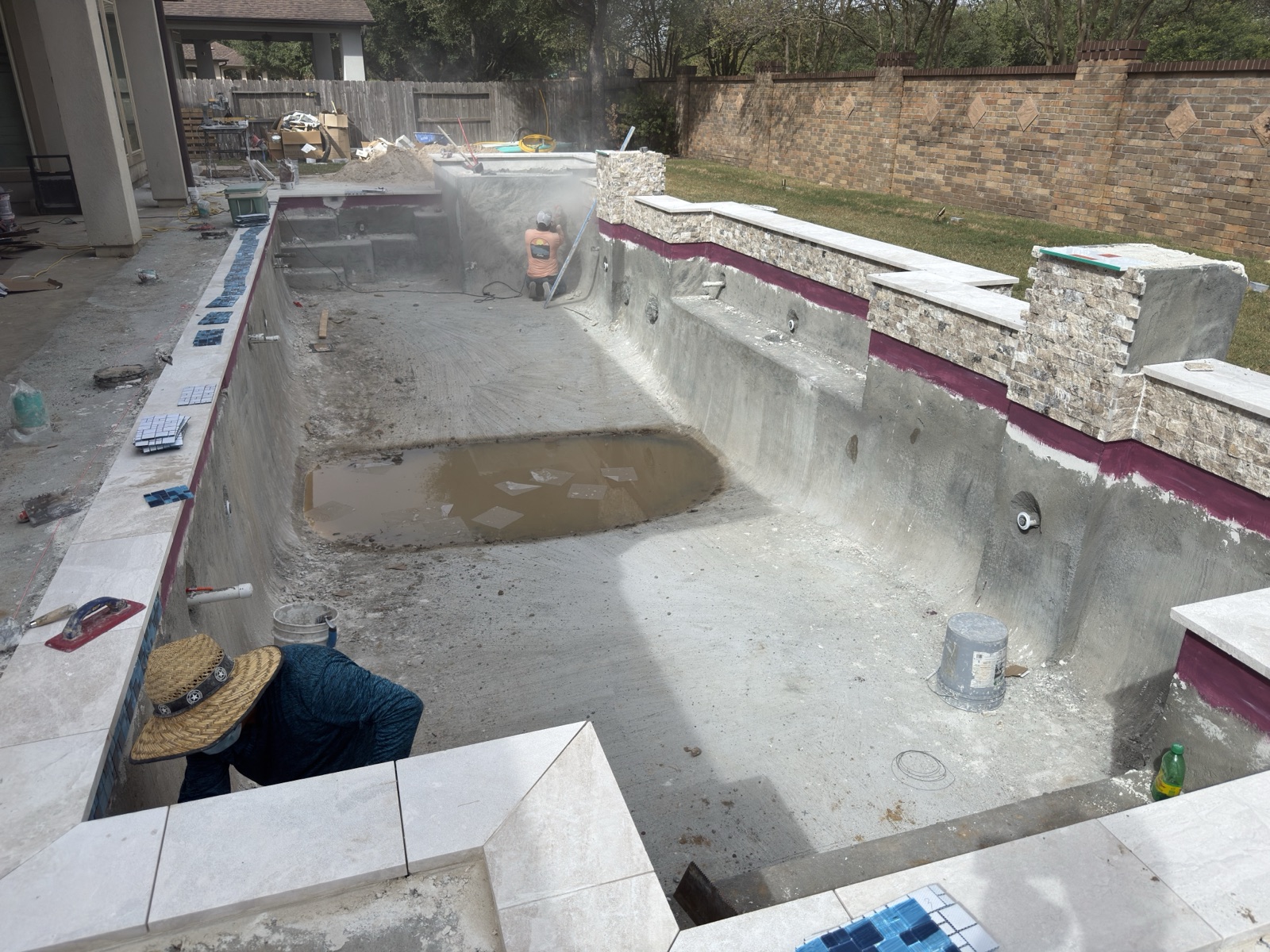
Renovation is the better fit when the shell is still sound and the core layout works. In that case, you can update the surface finishes, waterline tile, coping, decking, lighting, equipment, and features without starting from scratch. A well-planned renovation can make an older pool feel current, cleaner, and easier to maintain while preserving much of the original structure.
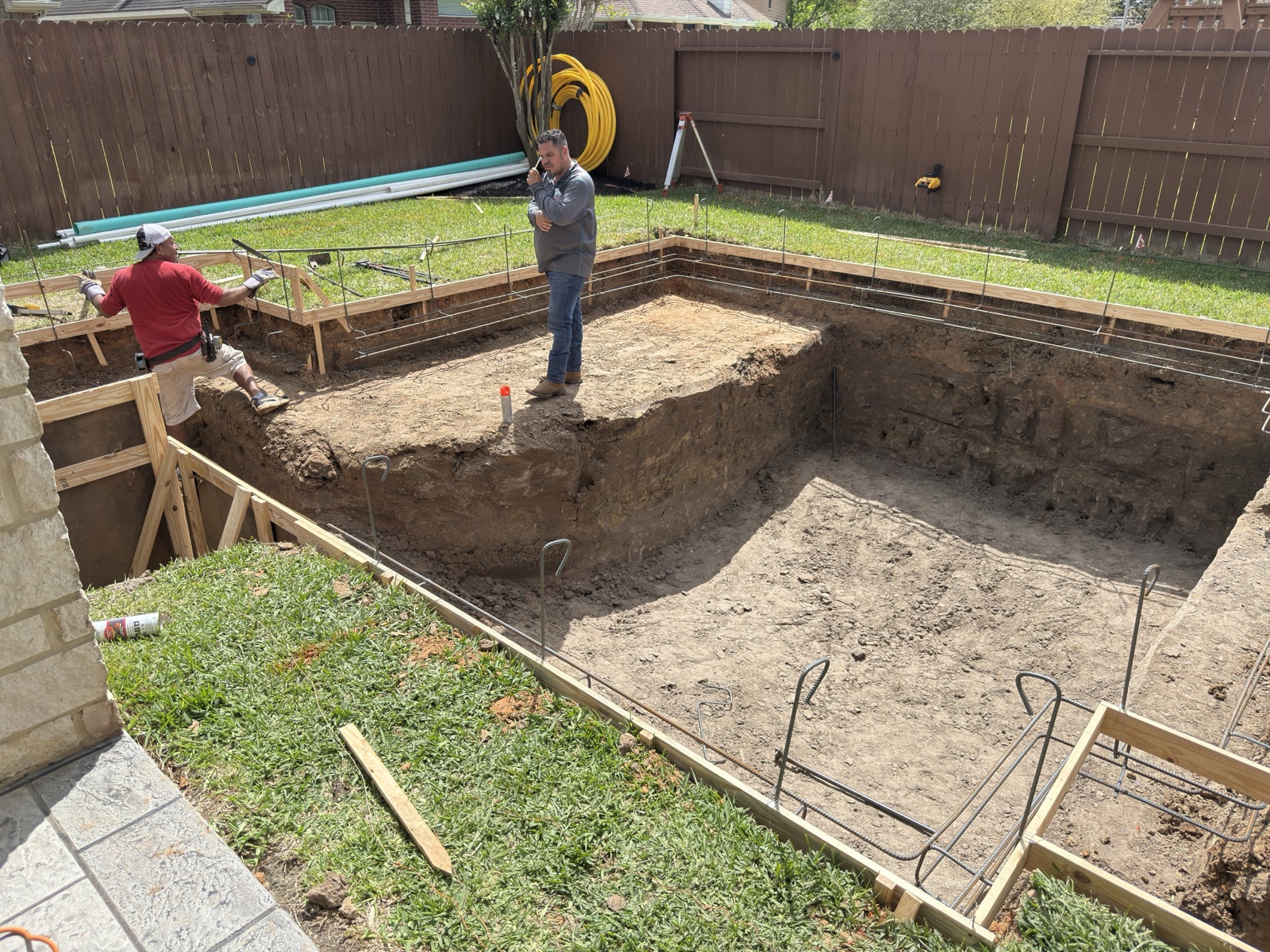
Replacement is the better fit when the pool has major structural failure, severe design limitations, or a footprint that actively works against your goals for the backyard. If you want to reshape the pool, change depth dramatically, add a spa in a way the old design does not support, or rework the entire outdoor living layout, replacement can offer a cleaner path.
The key is not to think of renovation as the cheaper option by default or replacement as the luxury option by default. Sometimes a renovation solves everything you need. Sometimes repeated repair costs and design compromises make replacement the smarter investment.
When renovation usually makes sense
If your pool is basically in the right place, the right size, and structurally stable, renovation often delivers the best return. Many Texas homeowners are not unhappy with having a pool. They are unhappy with an outdated pool.
That difference matters. A dated finish, aging equipment, or worn coping can make the whole backyard feel neglected, even when the pool itself is still serviceable. In those cases, renovation can refresh the look and improve performance without the disruption of a full rebuild.
Signs your pool is a good renovation candidate
Cosmetic wear is the clearest sign. Peeling plaster, cracked tile, stained surfaces, faded decking, and old-school finishes can all be addressed through remodeling. Equipment upgrades also fit well into a renovation plan. Replacing inefficient pumps, filters, lights, or automation can improve day-to-day use and reduce upkeep.
Renovation also makes sense when you want meaningful upgrades but not a completely different pool. Adding water features, tanning ledges, updated coping, modern tile, safer entry steps, or surrounding patio improvements can transform the experience without replacing the shell.
For many homeowners, this is the sweet spot. You keep what still works and improve what no longer does.
When replacement is the smarter move
Some pools are simply too far gone, or too limited by their original design, to justify pouring money into them piece by piece. Structural cracks, major settling, chronic leak issues, failing plumbing under the shell, or a pool design that no longer fits your property can all point toward replacement.
This is especially true when the existing pool blocks a larger backyard vision. If you want a cohesive outdoor living space with a redesigned patio, outdoor kitchen, fire feature, new traffic flow, and a pool that fits the whole plan, starting over can be more efficient than trying to force an old layout into a new concept.
Signs replacement deserves serious consideration
If the shell has major damage, repair costs can stack up quickly. The same goes for older pools with outdated plumbing or structural issues hidden below the surface. What begins as a surface remodel can turn into a deeper construction issue once demolition starts.
Replacement also deserves a closer look when the pool is the wrong shape or depth for your family. Maybe it is too deep, too narrow, too awkward for entertaining, or positioned in a way that leaves little usable deck space. If your goal is to create a true backyard destination built for Texas livin, layout matters just as much as appearance.
At that point, replacement is not just about fixing problems. It is about building the right pool for how you live now.
Cost is important, but value matters more
Most homeowners start here, and understandably so. Renovation usually costs less upfront than replacement. But cost alone does not answer the question.
A renovation can be a strong value when it updates finishes, corrects wear, and modernizes equipment on a structurally sound pool. You get a noticeable visual improvement and better functionality without paying for a fully new build.
But if the renovation is trying to cover deep structural problems or force major design changes onto a pool that was never built for them, the budget can climb fast. In some cases, homeowners spend heavily on a remodel and still end up with the same awkward shape, same limited layout, and same underlying constraints.
That is why experienced builders look beyond the first price tag. They evaluate what the money actually buys you over the next 10 to 15 years. Lower upfront cost does not always mean better value. Better value means fewer compromises, fewer repeat repairs, and a result that fits your property and lifestyle.
Design goals should drive the decision
A pool is not a standalone feature. It affects the entire backyard.
If your goal is to refresh the look, improve comfort, and make maintenance easier, renovation may be all you need. New finishes, lighting, decking, and equipment can change the feel of the space dramatically. Add a few intentional upgrades around the pool, and the yard can feel almost new.
If your goal is a full outdoor transformation, replacement may align better with the vision. A redesigned pool can create room for a larger patio, cleaner sightlines from the house, a better relationship to an outdoor kitchen, or improved space for kids and guests. This is where design planning matters. Seeing the new layout before construction begins can prevent expensive guesswork.
For premium backyard projects, visual planning is not a luxury. It is part of making a smart investment.
Texas conditions add another layer
Houston-area pools deal with heat, heavy use, shifting soils, storms, and long swim seasons. Those conditions can expose weaknesses in older pools faster than many homeowners expect.
A renovation should account for that. Materials, finishes, drainage, decking, and equipment choices all need to hold up in local conditions. A replacement should account for it even more. Structural quality, engineering, and construction experience matter if you want the finished pool to perform well year after year.
That is one reason homeowners often benefit from working with a builder who understands both pool construction and broader structural demands. Surface beauty matters, but long-term durability is what protects the investment.
The best choice starts with an honest inspection
The wrong move usually starts with assumptions. Some homeowners assume replacement is excessive when their pool actually has serious underlying issues. Others assume renovation will solve everything, only to realize later that the original design still limits how the backyard functions.
A real evaluation should look at the shell, plumbing, decking, equipment, drainage, and how the pool fits the overall property. It should also consider what you want from the space in five years, not just what is bothering you today.
That kind of assessment is where experience matters. A builder with remodeling knowledge and new construction knowledge can explain the trade-offs clearly. At CHR Builder, that construction-led perspective is part of helping homeowners choose the option that makes sense structurally, visually, and financially.
So which one is right for your backyard?
If your pool is structurally sound and your goals center on updating finishes, features, and equipment, renovation is often the practical move. If the pool has major structural issues, design limitations, or stands in the way of a larger backyard plan, replacement may be the smarter long-term investment.
There is no universal answer, and that is actually good news. It means the right solution can be tailored to your home, your budget, and the way you want to use your outdoor space.
The best backyard projects do more than fix what is old. They give you a space that feels intentional every time you step outside.