
If your pool is showing its age, the real question usually is not whether to make a change. It is whether a pool remodel versus rebuild makes more sense for the way you want to use your backyard. For homeowners in Katy, Houston, and surrounding areas, that decision affects budget, timeline, long-term maintenance, and the overall value of the space.
A pool that looks dated may only need cosmetic and equipment upgrades. A pool with structural movement, poor layout, or recurring repair issues may be telling you something else. The right answer depends on what is happening below the surface as much as what you see above it.
Pool remodel versus rebuild: the core difference
A remodel improves the pool you already have. A rebuild replaces major portions of it, and in some cases starts over completely. That sounds simple, but the line between the two can blur once you get into shell condition, plumbing performance, deck damage, and code requirements.
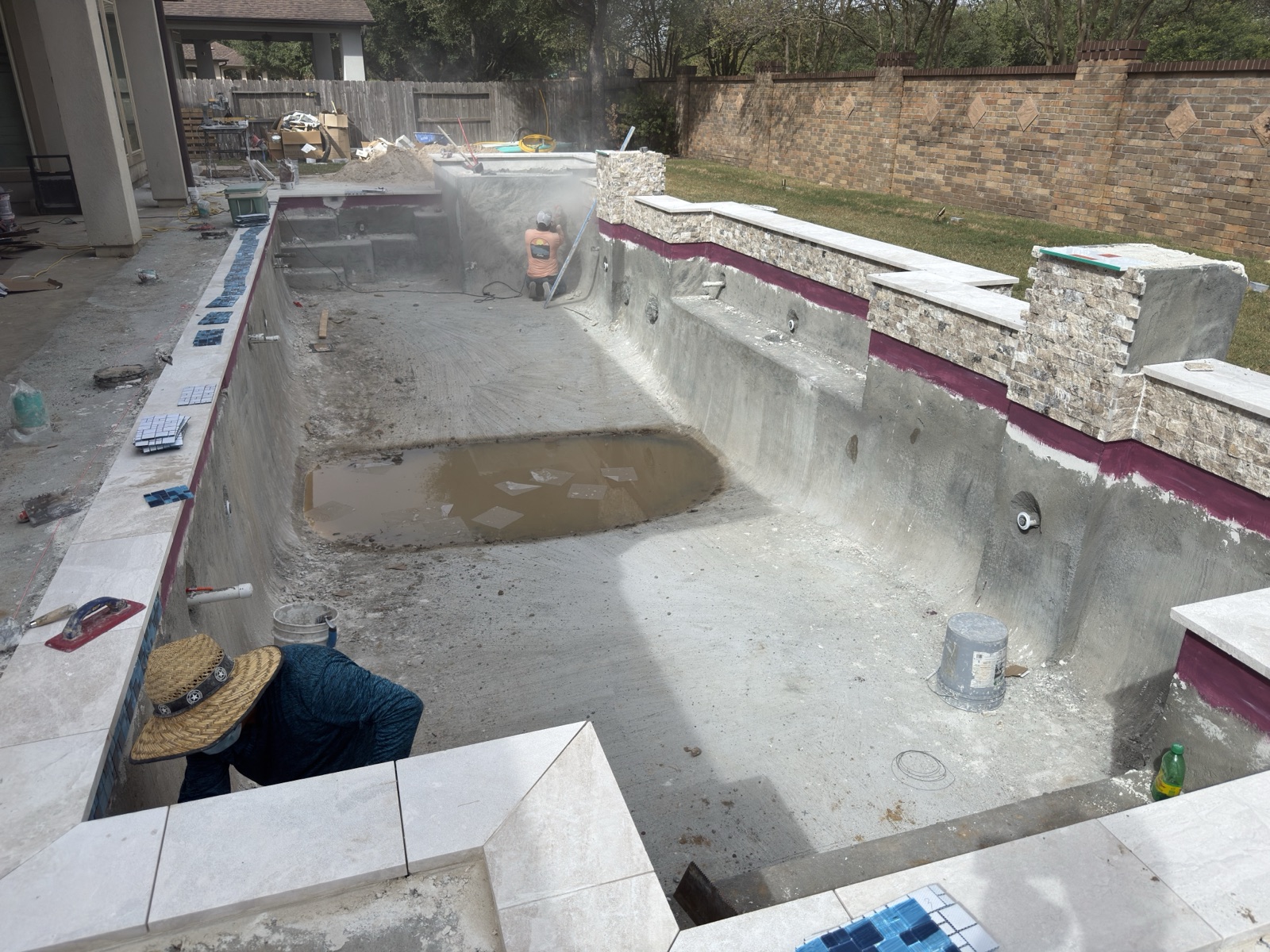
A remodel is typically the right fit when the pool’s basic structure is sound and the goal is to improve appearance, efficiency, comfort, or features. That may include new plaster, tile, coping, lighting, waterline updates, tanning ledges, spas, decking, or modern equipment.
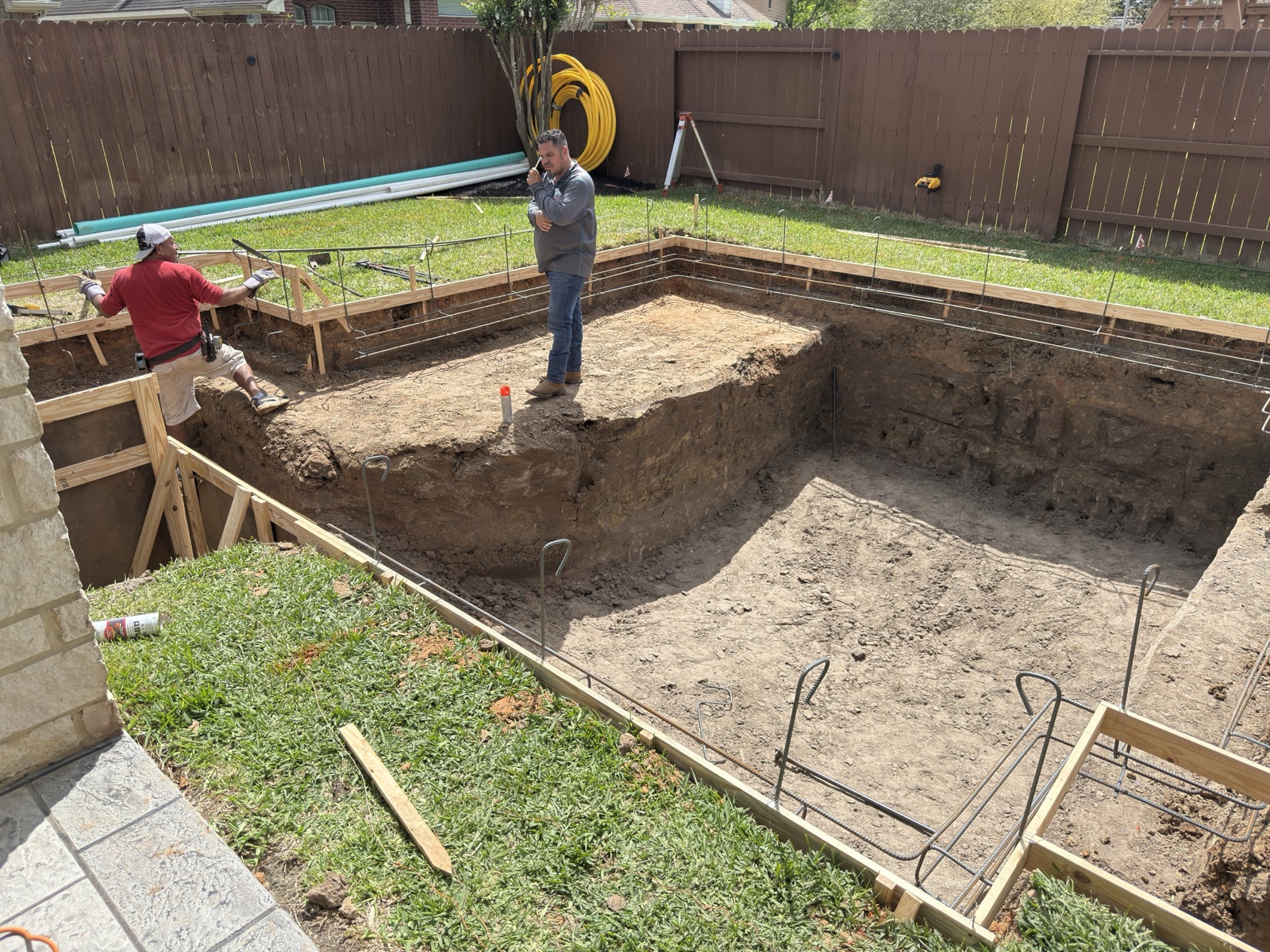
A rebuild is more serious. It usually becomes the better option when the existing pool has major structural damage, outdated construction that limits performance, severe plumbing failure, or a shape and depth profile that no longer fit your needs. If you are trying to transform a worn-out pool into a completely different backyard experience, rebuilding often creates better long-term value than stacking repairs on top of an aging structure.
When a remodel is the smarter investment
Many pools in Texas are good candidates for remodeling, especially when the shell is stable and the issue is age, not failure. If your pool is hard to maintain, looks outdated, or lacks features your family wants, a remodel can deliver a major visual and functional upgrade without the cost of full replacement.
Surface wear is one of the most common reasons to remodel. Stained plaster, chipped tile, rough finishes, faded coping, and calcium buildup can make a pool feel older than it is. Replacing those finishes can change the entire look of the backyard.
Equipment also matters. Older pumps, filters, and heaters tend to be less efficient and more expensive to operate. Upgrading to newer systems can improve performance, reduce energy waste, and make the pool easier to manage.
A remodel also makes sense when the pool works, but the backyard no longer does. Maybe the deck is too small for entertaining. Maybe the design feels dated compared to the rest of the home. Maybe you want a more polished outdoor living setup with a patio, kitchen, or shaded seating area. In those cases, keeping the existing pool structure while reworking the surrounding environment can be the most practical move.
Signs your pool can likely be remodeled
If the structure is intact and the improvements are mostly visual or equipment-related, remodeling is usually worth serious consideration. Common signs include persistent surface staining, worn finishes, outdated tile, old lighting, inefficient equipment, minor deck settlement, and a layout that still basically works.
That said, even a remodel should begin with a close inspection. Cosmetic issues can sometimes hide deeper structural or plumbing problems. A builder with true construction experience should be able to tell the difference.
When rebuilding is the better call
Some pools have reached the point where repairs stop being strategic. If cracks keep coming back, plumbing leaks are buried throughout the system, or the shell is failing, a rebuild can save money and frustration over time.
This is especially true with older pools that were built to outdated standards or with limited design foresight. What looked fine twenty years ago may now feel too deep, too small for entertaining, awkwardly shaped, or disconnected from the rest of the yard. If you are already facing major repair costs, putting that money toward a rebuild may give you a stronger result and a better return.
Rebuilding also opens up design freedom. You can change the pool’s shape, add a spa, improve entry points, redesign the depth, integrate water features, and coordinate the entire outdoor space with the architecture of the home. Instead of trying to force a modern lifestyle into an old shell, you create a layout that actually fits how your family lives today.
Red flags that point toward rebuild
Structural cracks that continue to move, widespread plumbing failure, severe beam damage, major settling, or repeated repair history are all warning signs. Another is when the cost of bringing the old pool up to your expectations starts approaching the cost of building new.
That is where honest project planning matters. A lower upfront remodel number can look attractive until hidden issues appear mid-project. In some cases, rebuilding costs more at the start but delivers fewer surprises and better durability.
Cost is not just about the bid price
Homeowners often compare remodel and rebuild decisions by asking which is cheaper. That is understandable, but it is not the best first question. The better question is which option gives you the right value for the next ten to fifteen years.
A remodel usually costs less upfront because you are preserving major parts of the existing pool. But if the shell, plumbing, or structural components are compromised, those savings can disappear fast.
A rebuild typically carries a higher initial investment, but it may reduce long-term repair exposure and allow you to modernize everything at once. You also gain the chance to design a pool and outdoor living plan around current priorities rather than past limitations.
For many Texas homeowners, financing changes the conversation. If monthly affordability matters more than minimizing total scope, a rebuild may become more realistic than it first appears. That is why good guidance should include design options, realistic budget ranges, and a clear view of what each path accomplishes.
The Texas factor changes the decision
In Katy, Houston, and nearby communities, pools deal with hard water, heat, shifting soil, and heavy seasonal use. Those conditions can speed up wear and expose weaknesses in older construction.
Calcium buildup may be mostly cosmetic, but repeated shell movement or deck separation can point to broader foundation and soil issues. Drainage around the pool and patio also matters more than many homeowners realize. If water is moving the wrong way across the yard, even a beautiful remodel can age faster than it should.
That is one reason a construction-led approach matters. A pool decision should not be based on surface appearance alone. It should account for structural integrity, drainage, grading, deck support, equipment location, and how the pool connects to the rest of the outdoor space.
How to decide between pool remodel versus rebuild
Start with the condition of the existing structure. If the shell is solid and the layout still fits your lifestyle, remodeling often makes the most sense. If the pool has underlying damage or no longer suits the property, rebuilding deserves a serious look.
Next, think beyond the water. Are you updating a pool, or are you rethinking the whole backyard? If you want a cohesive space for entertaining, cooking, relaxing, and spending time with family, the pool decision should support that larger vision.
It also helps to be honest about your tolerance for phased work. Some homeowners prefer to improve the pool now and tackle outdoor living features later. Others would rather complete the transformation in one project and avoid revisiting construction down the road.
A thorough inspection and design conversation should answer three things clearly: what can be saved, what should be replaced, and what gives you the best result for the investment.
Why expert evaluation matters
Not every pool contractor approaches this question the same way. Some push remodels because they seem easier to sell. Others jump to rebuild because the project size is larger. Neither approach serves the homeowner.
The right recommendation comes from looking at structure, plumbing, finish life, functionality, and the surrounding backyard as one system. That is where builder-level experience matters. A company like CHR Builder, with both pool and broader construction knowledge, can evaluate not just the pool itself but how the entire outdoor environment should work together.
That kind of planning is especially valuable if you want features beyond the pool, such as updated patios, outdoor kitchens, lighting, or a more complete entertaining space. A free 3D design can also help you see whether a remodel will truly deliver the result you want or whether a rebuild is the cleaner path.
The best pool projects are not driven by fear of repair bills or excitement over new finishes alone. They are driven by clarity. When you know what condition the pool is in, what your family wants from the space, and what each option really costs over time, the right direction becomes a lot easier to see.
If your backyard is ready for a change, do not start with a guess. Start with a serious look at what is worth saving, what is worth rethinking, and what will serve your home well for years of Texas livin.