A backyard project usually looks simple from the house. Then construction starts, and suddenly you are thinking about drainage, access, gas lines, setbacks, and whether that dream outdoor kitchen still fits once the pool equipment is in place. That is why knowing how to prepare backyard construction before the first shovel hits the ground can save time, money, and a lot of frustration.
For homeowners in Katy, Houston, and nearby Texas communities, preparation matters even more. Expansive clay soils, hard summer rains, utility coordination, and HOA rules can all affect the final design. If you want a backyard that looks high-end and holds up for years, the planning stage is where the real value starts.
How to prepare backyard construction starts with your end goal
The fastest way to derail a project is to begin with pieces instead of a plan. A pool, patio cover, fire feature, outdoor kitchen, and new decking may all sound right on their own, but they need to work together as one outdoor living environment.
Start by deciding how you want to use the space. Some families want a backyard built for weekend entertaining. Others want a private retreat with a custom pool, shade, and low-maintenance finishes. Some need a family-friendly layout with clear sightlines from the house and room for kids to play safely.
That use case should guide every major decision, from pool shape to traffic flow to where the grill sits. If you skip this step, you risk building a beautiful feature that does not actually fit your lifestyle. A strong design is not just about appearance. It is about how the space functions on a Saturday afternoon in Texas heat.
Walk the site like a builder, not just a homeowner
Homeowners often see only the surface. Builders look at slope, access, elevations, structures, and utility conflicts. That difference matters.
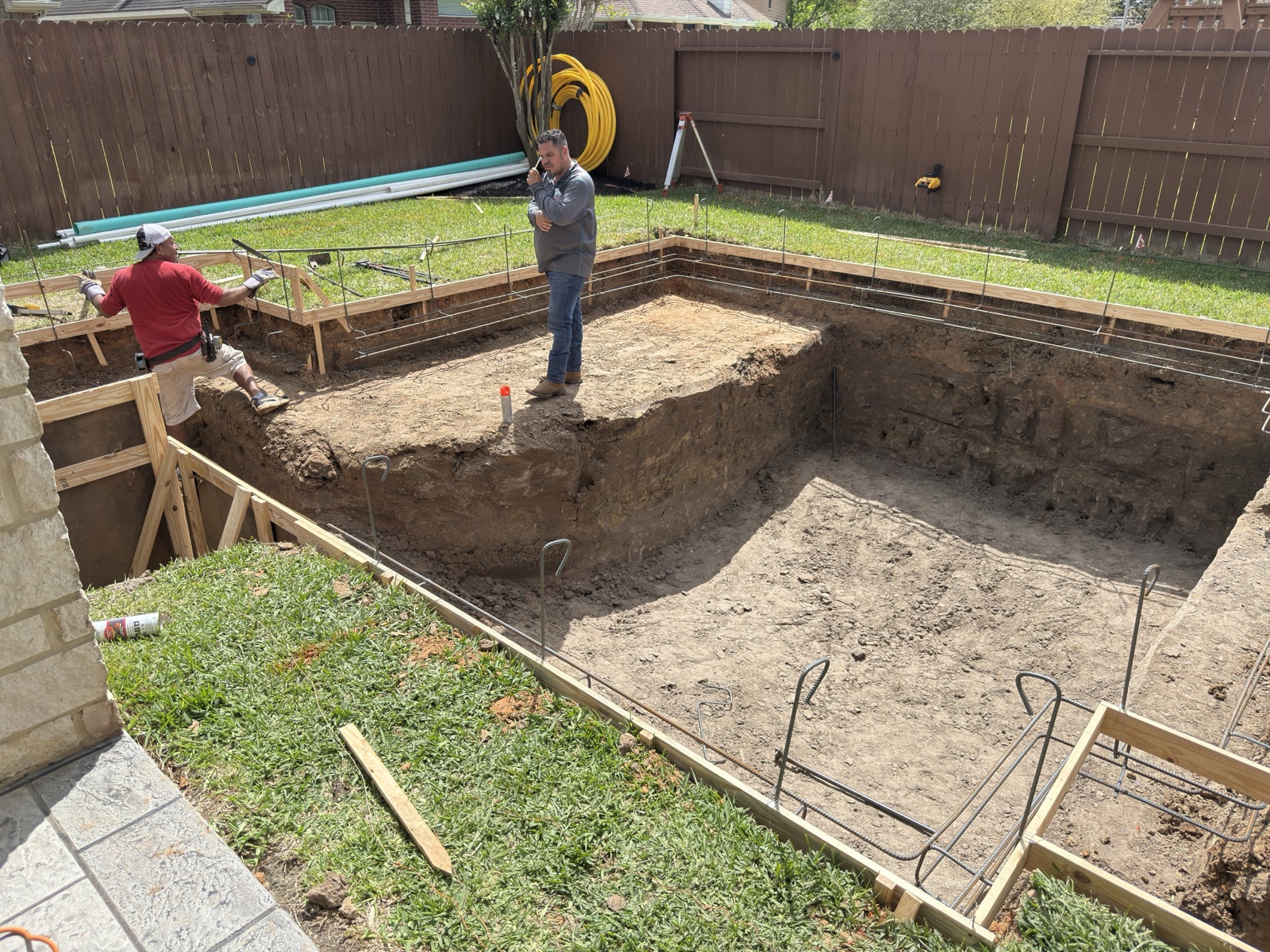
Before construction, take a hard look at the property. Notice where water collects after a storm. Check whether side-yard access is wide enough for equipment. Look at nearby fences, mature trees, easements, and how close the project area sits to the home. If you are planning a pool, spa, outdoor kitchen, or patio extension, every inch counts.
Grade and drainage deserve extra attention in Texas. A yard that seems flat can still have water movement issues that affect deck stability, erosion, and long-term performance. Good preparation includes a drainage strategy, not just a surface design. In some cases, preserving existing grading saves money. In others, reworking drainage early prevents bigger problems later.
There is also a practical trade-off here. Saving a tree, keeping an existing slab, or working around an older fence may reduce immediate costs, but it can also limit layout options. A builder with construction experience can help you decide what is worth preserving and what should be replaced for better long-term results.
Budget for the full project, not just the centerpiece
One of the most common mistakes in backyard planning is budgeting only for the main feature. A pool gets most of the attention, but the surrounding work is what makes the project complete.
Site prep, demolition, drainage, decking, coping, fencing updates, electrical work, gas lines, irrigation adjustments, and finish materials all affect the final number. The same goes for outdoor kitchens, patio covers, lighting, and landscape restoration after construction.
If you are figuring out how to prepare backyard construction financially, build your budget around the complete environment. A lower initial estimate can look attractive until allowances and add-ons start stacking up. Clear planning and a realistic scope give you a better shot at staying on track.
This is also where financing can make sense for some homeowners. If your goal is a well-built backyard that adds lifestyle value and property appeal, it may be smarter to do the job in one coordinated phase than to patch it together over several years. That depends on your priorities, but phased construction is not always the cheaper route once rework and mobilization costs are considered.
Check rules, permits, and property limits early
A premium backyard project still has to fit local requirements. That includes city permits, HOA approvals, utility clearances, and setback rules.
Waiting too long to review these details can force design changes after you have already gotten attached to a layout. Pools may need specific distances from property lines or structures. Patio covers and outdoor kitchens may trigger additional code requirements. Gas and electrical work often require separate planning and inspections.
HOAs add another layer. Some are straightforward. Others want material samples, elevations, drainage notes, or approval before work begins. If you live in a master-planned community around Katy or greater Houston, this step is not optional.
The benefit of working with an experienced construction-led team is that these requirements are handled as part of planning, not treated like a surprise halfway through the job. Licensed and insured professionals know how to account for real-world project constraints before they become delays.
Use design to solve problems before construction begins
A strong backyard project should be visualized before it is built. That is especially true when you are combining a pool with patios, shade structures, or an outdoor kitchen.
Free 3D design is not just a sales tool when it is done well. It helps homeowners understand spacing, elevations, circulation, and sightlines from the home. It also helps identify conflicts early. Maybe the tanning ledge takes up more deck space than expected. Maybe the kitchen layout works better rotated toward the patio. Maybe equipment placement needs to shift to preserve the cleanest visual line from the back door.
This is where custom planning creates real value. Backyard construction is not a catalog purchase. The lot shape, house layout, drainage pattern, and how your family uses the space should all shape the final design.
A good design process also keeps material choices consistent. If your home has a warm, modern look, the pool tile, decking, patio finish, and kitchen stone should feel intentional together. The goal is not to cram in features. The goal is to create a backyard that feels built for Texas livin and built specifically for your home.
Prepare your property for the construction phase
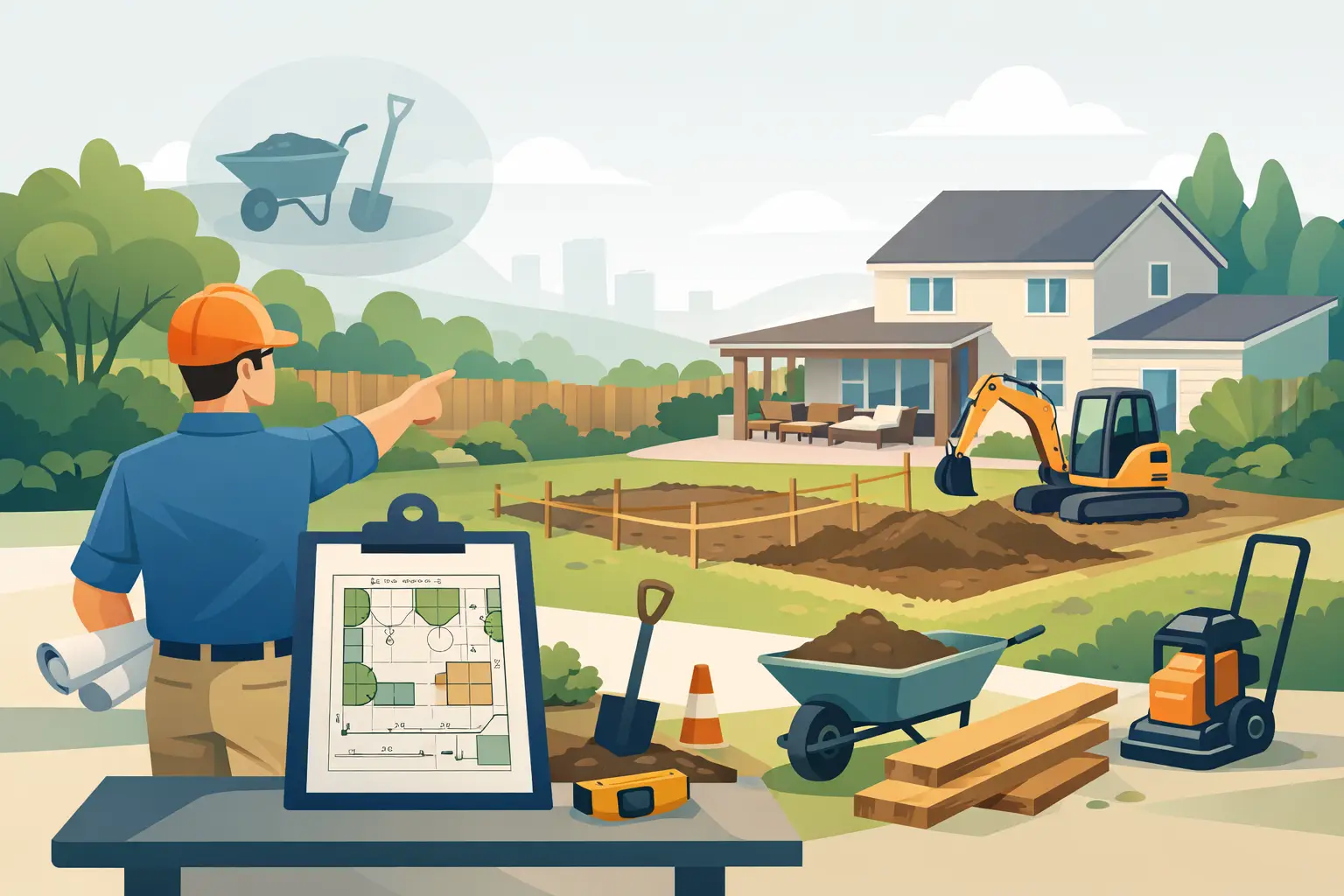
Once the plan is approved, physical preparation becomes the next priority. This part is easy to overlook, but it affects jobsite safety and schedule.
Clear access paths for crews and equipment. Move patio furniture, planters, grills, and anything fragile away from work areas. Protect pets and make arrangements for kids to stay clear of construction zones. If there is an irrigation system, identify sprinkler lines and heads that may be affected.
You should also expect some disruption. Backyard construction is major work. There will be noise, material deliveries, excavation, and staging areas. In some cases, sections of fence may need to come down temporarily for access. If your neighbors are close, a quick heads-up goes a long way.
It is smart to ask about the project schedule before work begins. Know the rough sequence, what phases depend on weather or inspections, and where materials will be stored. A professional team should be able to explain the process clearly, even if exact dates shift. Construction is predictable in some ways and variable in others. Straight answers matter.
Choose a builder who understands structure, not just style
Backyard projects sell on visuals, but they succeed on execution. A beautiful rendering means very little if the drainage is wrong, the deck settles, or the equipment layout creates service issues later.
That is why builder selection is a major part of how to prepare backyard construction. You want a company that can manage design, structural planning, permitting, and construction as one coordinated process. Pool expertise matters, but broader construction knowledge matters too, especially when the project includes hardscape, outdoor living structures, utilities, and finish integration.
Ask practical questions. Who handles permits? How are change orders managed? What happens if drainage issues are uncovered? How is the site protected during construction? What kind of design clarity will you get before work starts?
Past work matters here. So does communication. Homeowners investing in a custom backyard are not just buying features. They are buying confidence that the project will be built correctly and hold up over time. That is the standard CHR Builder brings to every custom pool and outdoor living project.
Make room for what comes after the build
The final stage of preparation is thinking beyond completion day. A backyard should be enjoyable to own, not just exciting to install.
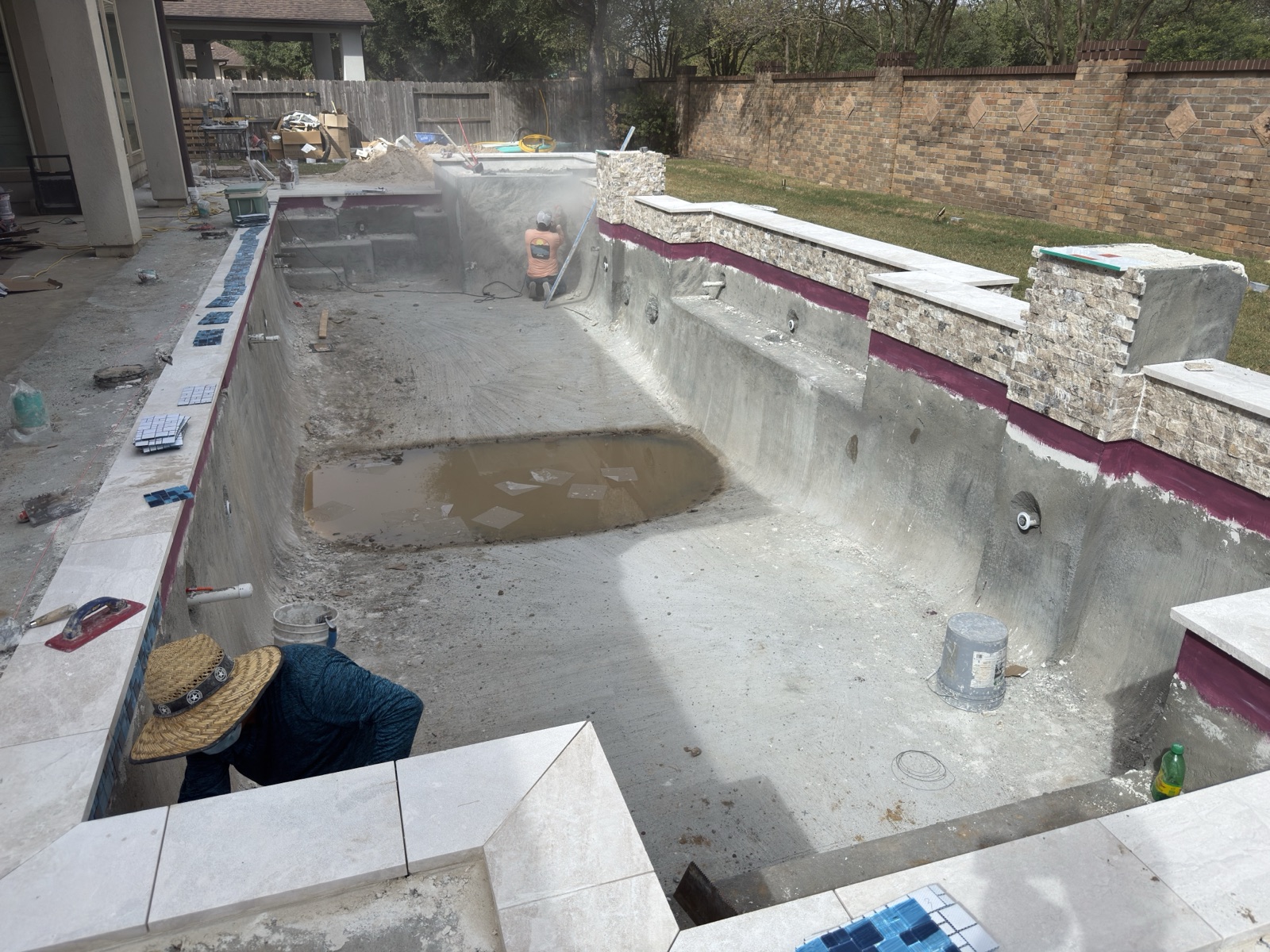
That means considering maintenance early. Material choices affect cleaning and long-term wear. Pool finish, decking texture, calcium exposure, waterline tile, and equipment access all shape what ownership feels like in year one and year ten. A feature that looks impressive on paper may not be the right fit if it adds unnecessary upkeep for your household.
It also means planning for how the space will age with your family. You may want open deck space now for kids, but more shade and seating later for entertaining. You may want a simple patio today but leave room for a future kitchen or pergola. Smart preparation leaves flexibility where it makes sense.
The best backyard projects do not start with construction. They start with clear goals, smart design, and the discipline to plan for what the space needs before work begins. Get that part right, and the finished result feels less like an add-on and more like it always belonged there.