
An aging pool usually tells on itself before it fails. Cracked coping, rough plaster, outdated tile, fading decking, weak circulation, and a layout that no longer fits how your family uses the backyard are all signs it is time for a smarter plan. This pool renovation planning guide is built for Texas homeowners who want more than a cosmetic refresh. The goal is to improve performance, appearance, safety, and long-term value in one well-managed project.
A successful renovation starts with the right question. Not, what can we change? Instead, ask what the pool and outdoor space need to do better over the next ten to fifteen years. For some families, that means updating finishes and equipment to reduce maintenance. For others, it means reshaping the entire backyard for entertaining, adding tanning ledges, water features, lighting, or a connected patio and outdoor kitchen. The best renovation plans are lifestyle-driven, not just repair-driven.
Start your pool renovation planning guide with the real problem
Many homeowners begin with surface materials because those are the easiest issues to see. New tile and plaster matter, but they are only part of the picture. If circulation is poor, plumbing is aging, the shell has structural movement, or the deck drains incorrectly, a beautiful finish can still leave you with ongoing frustration.
That is why the first phase should be a full-site evaluation. Look at the shell condition, coping, tile line, decking, drainage, equipment pad, water chemistry history, and how the yard functions around the pool. If your current setup feels dated or inefficient, the renovation may need to solve more than one problem at once. A builder with both pool and broader construction experience can spot issues that a finish-only contractor may miss.
This is also the right time to define priorities. Some homeowners want the biggest visual transformation possible. Others care most about efficiency, safety, and easier upkeep. Neither approach is wrong, but your budget should follow your priorities from the beginning.
Set a renovation budget that matches the scope
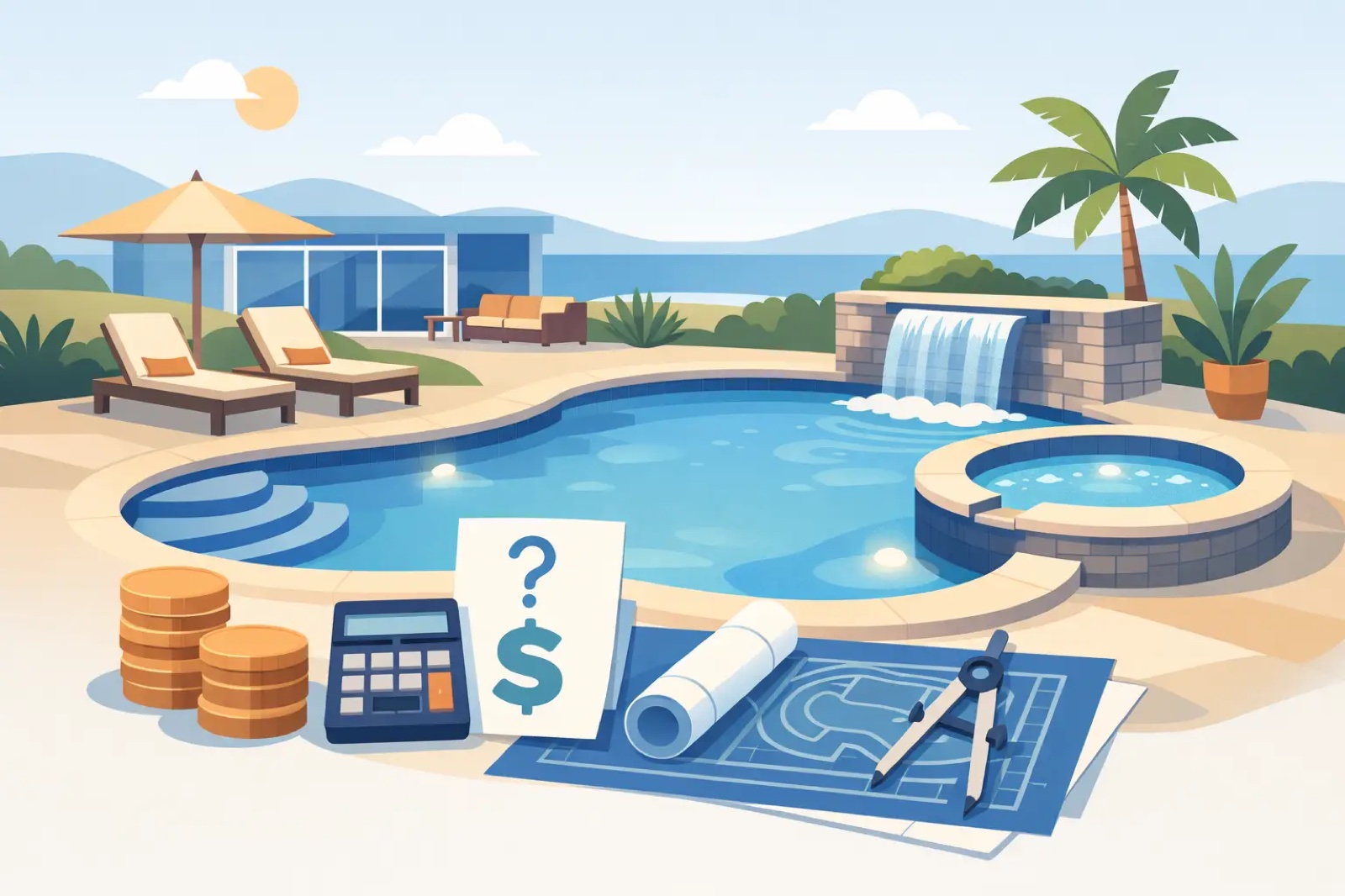
Pool remodeling costs vary widely because not all renovations involve the same level of work. Resurfacing a pool and replacing tile is a different job than reconfiguring the shape, updating plumbing, replacing equipment, and rebuilding surrounding hardscape. If you are planning a premium backyard upgrade, it helps to separate must-haves from upgrade options early.
A practical budget usually includes three layers. The first is essential repair or restoration work. The second is visual improvement, such as finishes, coping, waterline tile, decking, and lighting. The third is lifestyle upgrades, which may include automation, spas, fire features, shade structures, or outdoor living additions.
It is also wise to leave room for hidden conditions. Older pools can reveal cracked lines, bond beam damage, outdated electrical, or drainage issues once demolition begins. That does not mean the project was planned poorly. It means renovation work often exposes what years of use have covered up. Clear communication and a detailed scope help keep those surprises manageable.
Choose upgrades that make sense for Texas living
Texas backyards work hard. Heat, sun exposure, heavy rains, and long swim seasons all affect how materials perform and how homeowners use their pools. The best renovation choices are the ones that hold up well and improve the day-to-day experience of owning the pool.
Resurfacing is often the foundation of a renovation. Whether you choose plaster, quartz, or pebble-style finishes depends on budget, desired appearance, texture, and lifespan expectations. A smoother finish may feel better underfoot, while a more durable aggregate finish may offer longer-term value. It depends on how you balance upfront investment against maintenance and durability.
Tile and coping make a major visual impact, but they also affect performance. Waterline tile should be selected with maintenance in mind, especially if calcium buildup has been an issue. Coping should handle weather shifts and complement the surrounding deck. If your existing deck is cracked, uneven, or visually dated, replacing or expanding it can change the entire feel of the space.
Equipment upgrades often deliver the most practical return. Variable-speed pumps, improved filtration, automation systems, and modern heaters can make the pool easier to manage and less expensive to operate. New lighting also goes beyond appearance. It improves safety, extends evening use, and makes the backyard feel finished.
Pool renovation planning guide for design and layout
If you are already opening up the yard, this is the moment to rethink layout. Many older pools were built around a single purpose - swimming. Today, homeowners often want zones for relaxing, entertaining, shallow lounging, and visual impact.
That could mean adding a tanning ledge, raised spa, bench seating, or water features that create movement and sound. It could also mean redesigning the deck to improve traffic flow between the house, pool, and entertaining areas. A renovation should not leave the pool looking updated while the rest of the backyard still feels disconnected.
This is where visual planning matters. A 3D design or detailed concept can help you see how the pool, patio, outdoor kitchen, shade structure, and landscape elements will work together before construction starts. That clarity is valuable, especially when multiple upgrades are happening at once. It reduces guesswork and helps you invest with confidence.
Know what affects timeline and construction flow
Homeowners often ask how long a renovation will take, but the better question is what the timeline depends on. Scope is the biggest factor. A simple resurfacing job moves differently than a full remodel with deck replacement, feature additions, and equipment relocation.
Material availability, permitting, weather, and inspection schedules can also affect the timeline. In the Houston and Katy area, heavy rain can interrupt exterior work, especially demolition, decking, and drainage corrections. That is normal for this type of project, which is why realistic scheduling matters.
A well-run renovation follows a clear sequence. Evaluation and design come first, then scope confirmation, selections, permitting if needed, demolition, structural or plumbing work, finish installation, equipment updates, startup, and final walkthrough. When the project is managed by a builder who understands both the technical and scheduling side of construction, that process tends to be smoother and easier for homeowners to follow.
Pick a contractor who can build, not just resurface
Not every pool renovation company handles projects at the same level. Some focus mostly on cosmetic updates. Others are equipped to evaluate structural conditions, redesign spaces, coordinate outdoor living features, and manage more complex renovations from start to finish.
That difference matters. If your project includes shell repair, drainage changes, deck replacement, plumbing updates, or major design changes, you need more than a surface-level crew. You need a licensed and insured contractor with real construction experience and a process that supports detailed planning.
Ask to see previous work that matches the kind of renovation you want. Look for consistency in craftsmanship, not just one or two standout photos. Ask how the company handles change orders, hidden conditions, material selections, and communication during the job. A good contractor should be able to explain the trade-offs clearly, not rush you into the flashiest option.
For homeowners who want a backyard transformation rather than a patchwork remodel, working with a construction-led company like CHR Builder can make a meaningful difference. Pool expertise matters. So does the ability to connect that pool work to the patio, drainage, hardscape, and outdoor living features around it.
Make your renovation work for the long term
A pool renovation should solve current frustrations, but it should also reduce future ones. That means choosing materials and equipment that fit your maintenance goals, your usage patterns, and your property. It also means thinking past trends.
Some design choices photograph well but age quickly. Others are timeless, easier to maintain, and more likely to support resale value. Neutral finishes, quality coping, efficient equipment, strong lighting, and thoughtful deck design usually hold up better than novelty features with little practical use.
Financing can also play a role here. If the right scope creates a much better long-term outcome, flexible financing may help you complete the project properly instead of doing it in stages that cost more over time. That depends on your goals and budget, but it is worth considering when the renovation includes structural or infrastructure work.
A well-planned pool renovation changes more than the waterline. It can make your backyard easier to enjoy, easier to maintain, and better aligned with the way you live at home. When the plan is built around quality, clarity, and Texas durability, the finished result tends to feel right for years, not just for the first swim season.