
An aging pool does not hide its condition for long. The signs show up in the water, on the surface, and in your maintenance routine before they show up on a repair bill. Knowing how to read those signs and respond to them in the right order is the difference between a remodel that lasts and one that becomes a money pit.
Signs It Is Time to Remodel
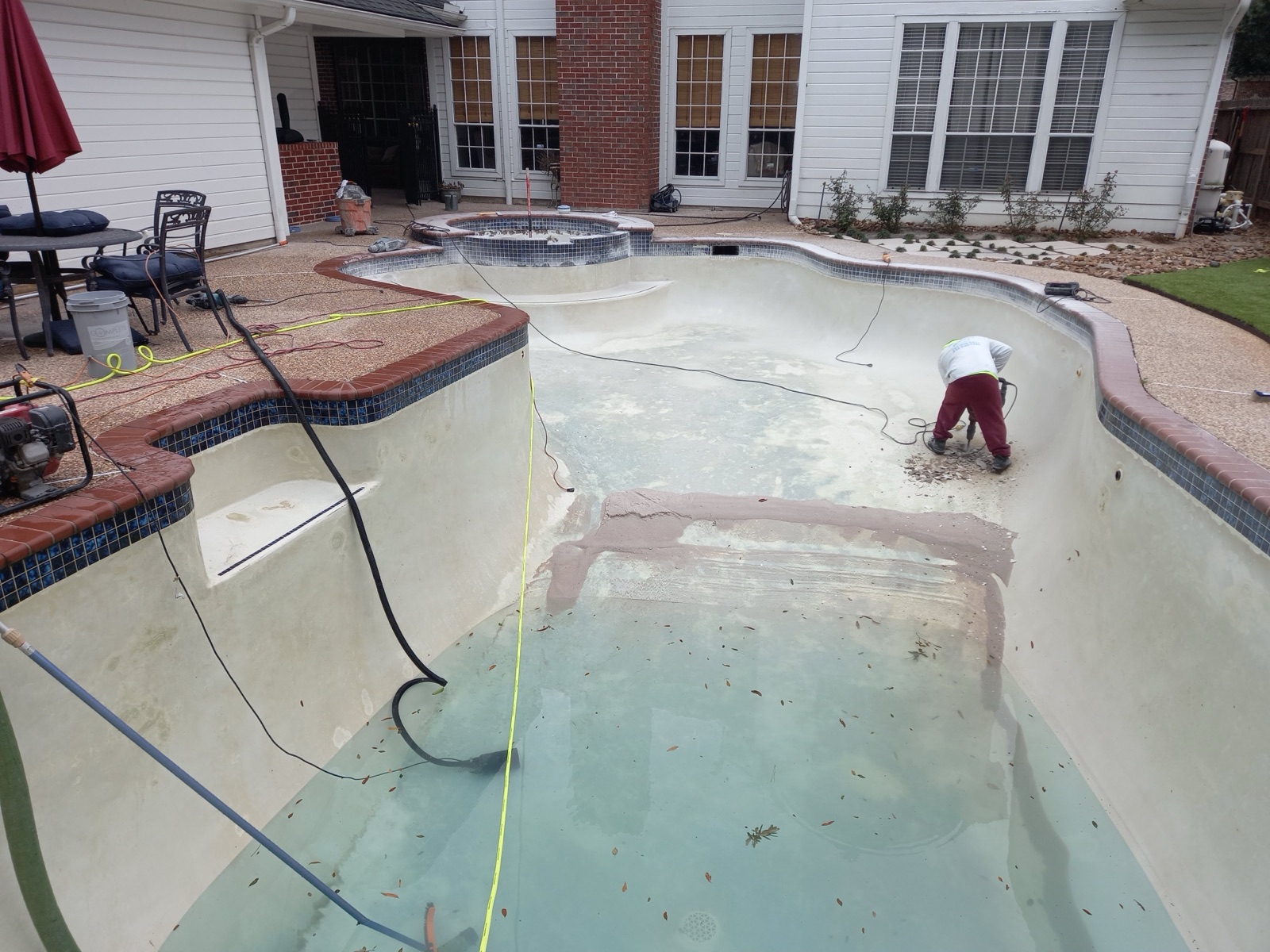
Rough plaster is one of the clearest indicators. When the interior finish feels like sandpaper underfoot, the plaster has broken down past the point where patching makes sense. At that stage, the surface is also harder to keep chemically balanced because the porous texture traps algae and debris in ways that smooth plaster does not.
Loose or cracked coping is another sign. Coping is the cap stone or concrete edge that runs around the perimeter of the pool. When it starts separating from the bond beam, shifting, or cracking in multiple places, it is a structural concern as much as a cosmetic one. Water getting behind loose coping can accelerate damage to the shell underneath.
Stained waterline tile that will not come clean with standard chemicals, flaking or chipping interior finish, persistent water chemistry problems that no amount of treatment resolves, and equipment that requires frequent service calls are all telling you the same thing: the pool is past the age where maintenance can keep up with deterioration. It needs a real remodel.
Structural vs. Cosmetic: Getting the Priority Right
The most common and most expensive mistake in pool remodeling is choosing finishes before understanding the structural condition. Homeowners see a beautiful new pebble finish option and get excited, pick that first, and then find out during demo that there is a crack in the shell that needs repair, or that the bond beam needs work before the coping can be replaced. Now the project is bigger and more expensive than it would have been if the inspection had happened first.
The right order is always: structure first, then function, then design. That means:
- Assess and repair the shell, including any cracks, spalling, or areas where concrete has deteriorated.
- Evaluate and repair or replace plumbing. Aging pools often have original PVC plumbing that has become brittle or developed leaks over decades of Texas heat and soil movement.
- Address coping and bond beam condition.
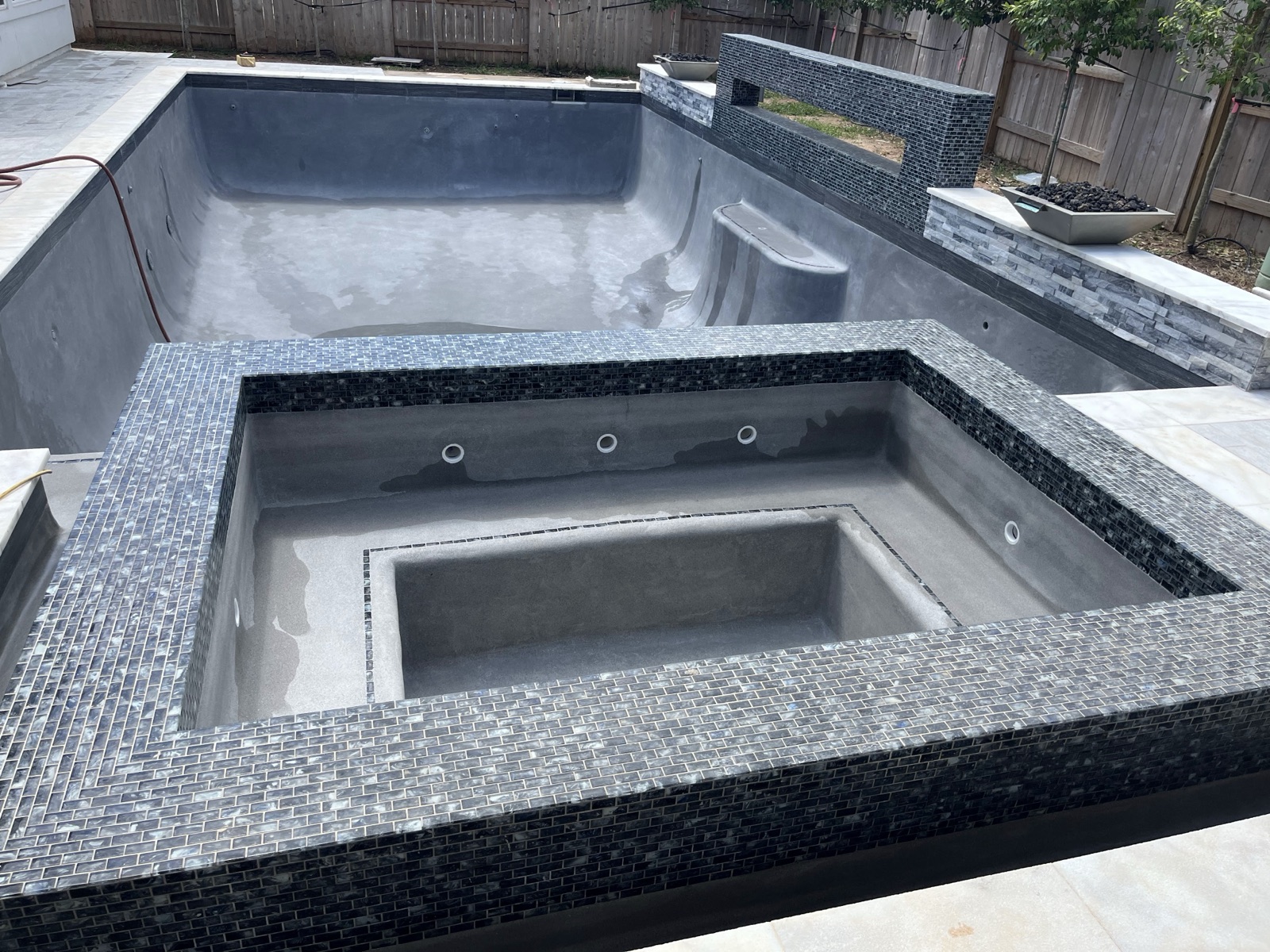
- Then select the interior finish, tile, and deck materials.
- Upgrade equipment alongside the surface work since the pool is already drained and open.
Texas Soil Movement and Heat
Houston and Katy sit on expansive clay soils that absorb water and swell, then dry out and contract. This cycle repeats every year, and over time it puts stress on pool shells, coping joints, and the concrete deck around the pool. Cracks in plaster and coping are not always just age-related. Sometimes they are caused by soil movement that is ongoing.
When this is the case, fixing the surface without addressing the movement means the new surface will develop the same cracks in a few years. A thorough inspection identifies whether cracks follow patterns consistent with soil movement, and a quality remodel addresses the underlying condition rather than just covering it up.
Texas sun also accelerates surface wear. Plaster in direct Houston sun fades and degrades faster than in cooler climates. This is one reason pebble finishes have become popular in this area. They hold color and texture better in intense UV exposure than white plaster does, and the durability difference shows up clearly over a ten-year period.
When to Replaster vs. Refinish vs. Full Renovation
Replastering is the right call when the shell is structurally sound, the plumbing is in good condition, the coping is solid, and the primary issue is interior surface wear. If those conditions are all true, a new plaster or pebble finish with fresh tile is often all that is needed to get another ten to fifteen years of life from the pool.
A full renovation makes sense when multiple systems need attention at once. If the plumbing is aging, the equipment is outdated, the coping needs replacement, and the deck has problems, doing everything together is more cost-effective and less disruptive than addressing each issue separately over several years.
Cosmetic refinishing alone, meaning a surface repair or acid wash without addressing underlying conditions, is only appropriate for pools that are genuinely in good structural shape and just need a refresh. Using it on a pool with real underlying issues delays the inevitable and can make the eventual full repair more expensive.
Modernize Equipment While You Are Open
When a pool is drained for a remodel, the cost and effort of upgrading equipment drops because the crew and the access are already there. Variable-speed pumps, LED lighting, and modern automation systems all improve the pool ownership experience and reduce operating costs. Waiting to add these until later means paying for another service visit and the associated disruption.
If your pool is 15 or 20 years old, the equipment is likely from the same era. Single-speed pumps from that period use two to three times the electricity of modern variable-speed models. The energy savings from an upgrade can pay back the equipment cost within a few years.
Choose a Builder, Not Just a Resurfacing Crew
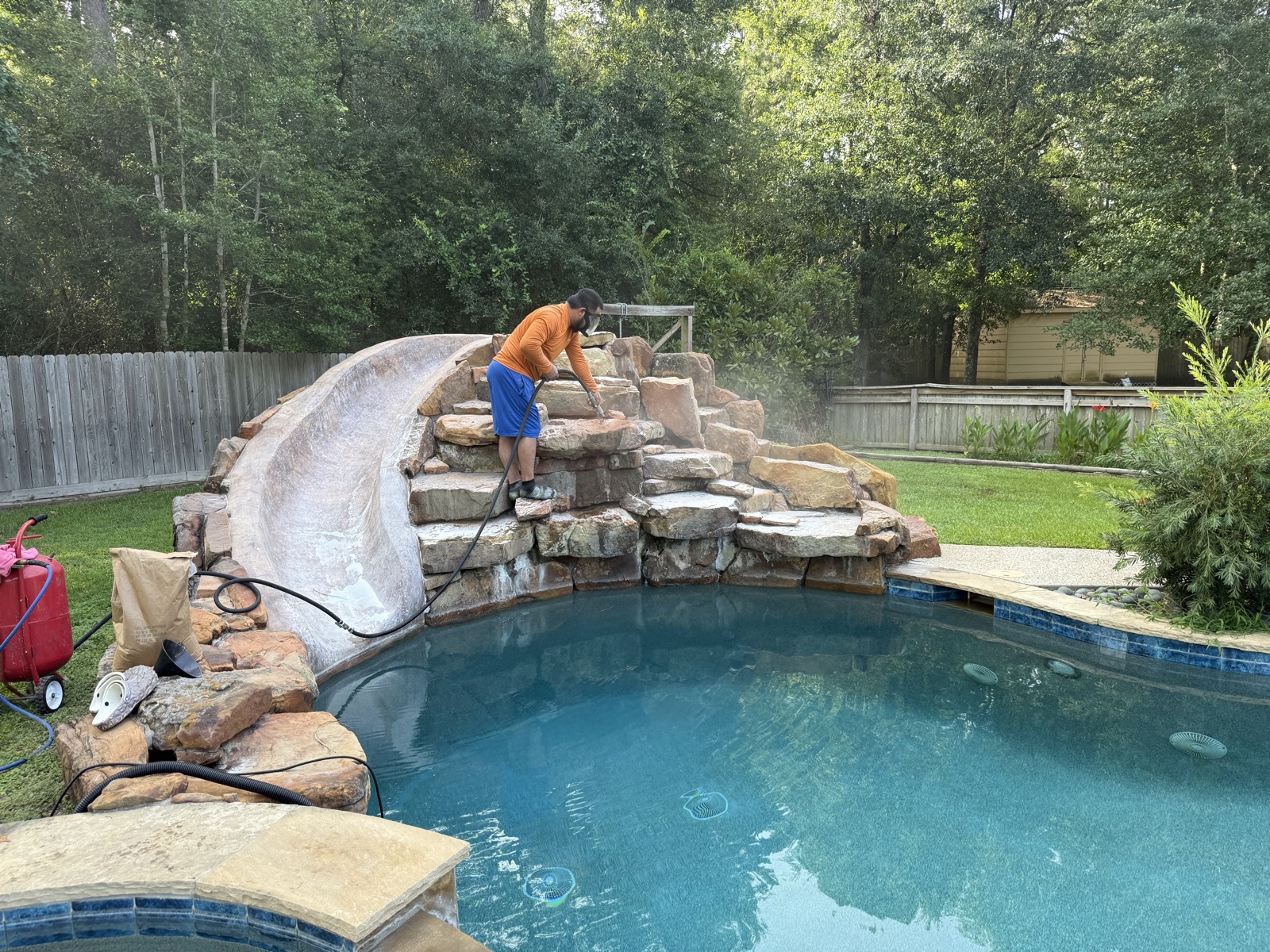
There is a meaningful difference between a company that resurfaces pools and a company that actually builds and remodels them. A resurfacing crew applies the finish. A builder understands the whole system, can evaluate structural concerns, knows how to coordinate plumbing and equipment work, and can manage a project that involves multiple trades.
At CHR Builder, we are CPO and NPC certified, and we approach every remodel as a construction project. We inspect the pool properly, document what we find, explain the options honestly, and build a scope that addresses the real needs rather than just what is visible on the surface.
Ready to Talk to an Expert?
If you have an aging pool and want an honest assessment of what it actually needs, our owner is happy to talk through it on a free 15-minute call. No obligation, no sales pressure. Just a straight conversation with the person who will do the work.
Call us at (346) 481-3835 or book your free call at chrbuilder.com.