One of the most common questions we get from homeowners planning their first pool: should I go fiberglass or gunite?
The honest answer is that neither is universally better, they're optimized for different priorities. Here's our frank assessment after building both types across 100+ projects.
Gunite (Concrete) Pools: The Custom Option
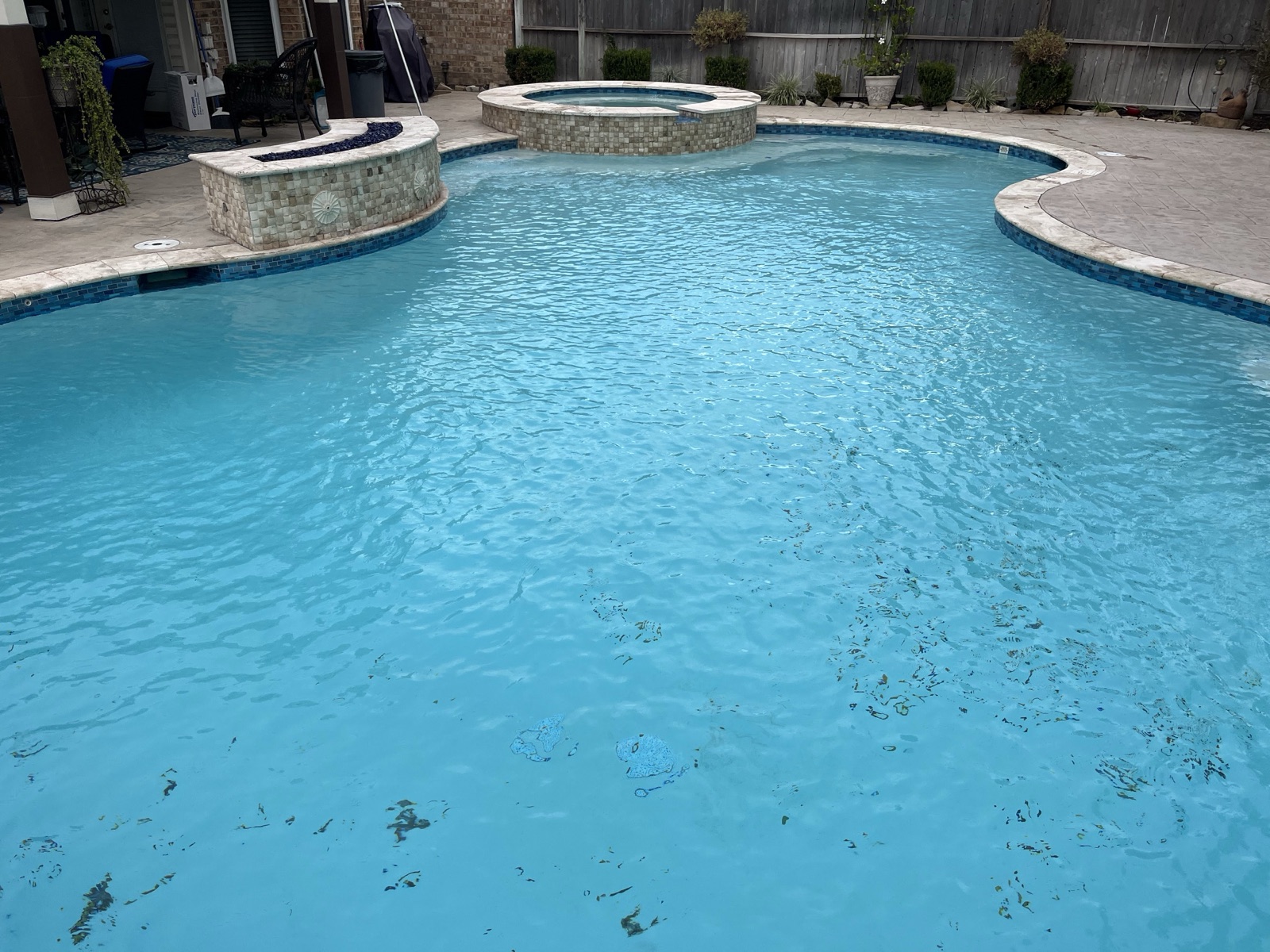
Gunite (also called shotcrete or concrete) pools are built on-site, sprayed over a steel framework. Every dimension, depth, shape, and feature is custom-built to your specifications.
Gunite Pros
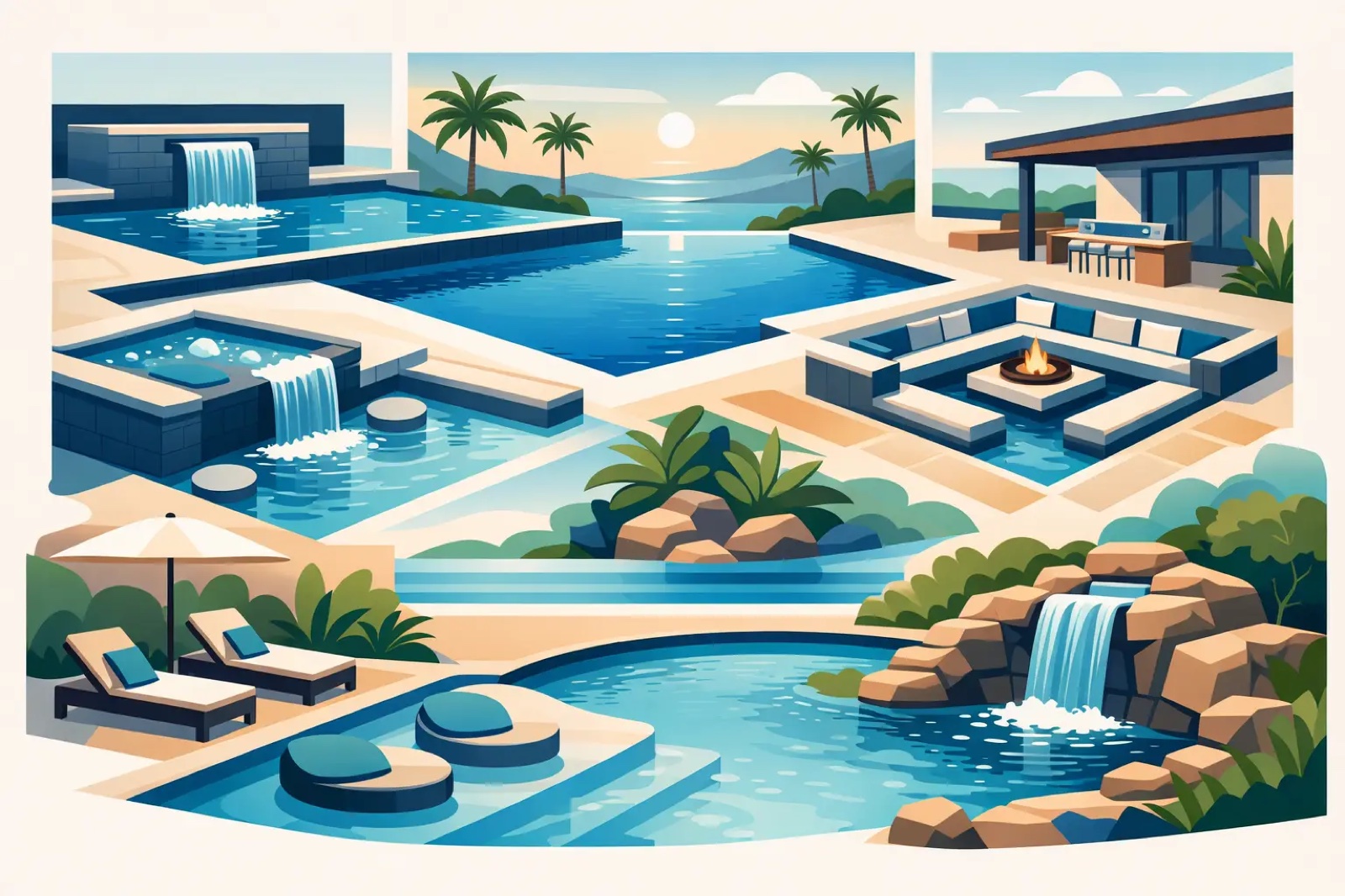
- Complete design freedom: Kidney shapes, infinity edges, beach entries, vanishing edges. All of these require gunite. Fiberglass comes in fixed molds.
- Deeper pools: Gunite can go 8–12 feet deep. Most fiberglass pools max out at 5–6 feet.
- Adds more home value: Custom concrete pools typically command higher premiums in Texas real estate markets.
- Easier to expand later: Concrete pools can be modified and expanded. Fiberglass cannot.
Gunite Cons
- Longer build time: 6–8 weeks vs. 3–4 for fiberglass.
- Surface needs maintenance: Plaster surfaces typically need resurfacing every 10–15 years. Pebble finishes last longer.
- Higher chemical demands: Concrete is porous and requires more balancing chemicals than fiberglass's smooth surface.
Fiberglass Pools: The Low-Maintenance Option
Fiberglass pools come as pre-manufactured shells, dropped into a prepared excavation by crane. They're factory-made in fixed sizes and shapes.
Fiberglass Pros
- Lower maintenance: The smooth gelcoat surface resists algae growth, reducing chemical use by up to 50%.
- Faster installation: A fiberglass pool can be in the ground and filled in as little as 2–3 weeks.
- No resurfacing: The gelcoat surface lasts 20–30 years with proper care.
- Warmer water: Fiberglass retains heat better than concrete.
Fiberglass Cons
- Limited shapes and sizes: You choose from a catalog, not a custom design.
- Not suitable for all backyards: The shell needs to be transported and craned in. Tight access can be a dealbreaker.
- Osmotic blisters: A less common but real issue if the gelcoat is damaged and water infiltrates the fiberglass layers.
What Most Families in Katy Choose
In our experience, here's how the decision usually breaks down:
Families who choose gunite: Want a specific shape or feature (waterfall, beach entry, baja shelf), have a larger budget, plan to stay in the home long-term, or want to maximize resale value.
Families who choose fiberglass: Prioritize low maintenance, want a faster build, have a constrained budget, or have a smaller backyard where a standard shape works fine.
Our Honest Recommendation
If your budget is $75,000+, you have design preferences beyond a rectangular pool, and you're planning to stay in your home for 10+ years: gunite is almost always the better investment.
If you want to be swimming in 4 weeks, prefer minimal chemical maintenance, and a standard pool shape works for your backyard: fiberglass is excellent.
We build both. We'll give you an honest recommendation based on your specific yard, budget, and goals during your free discovery call.