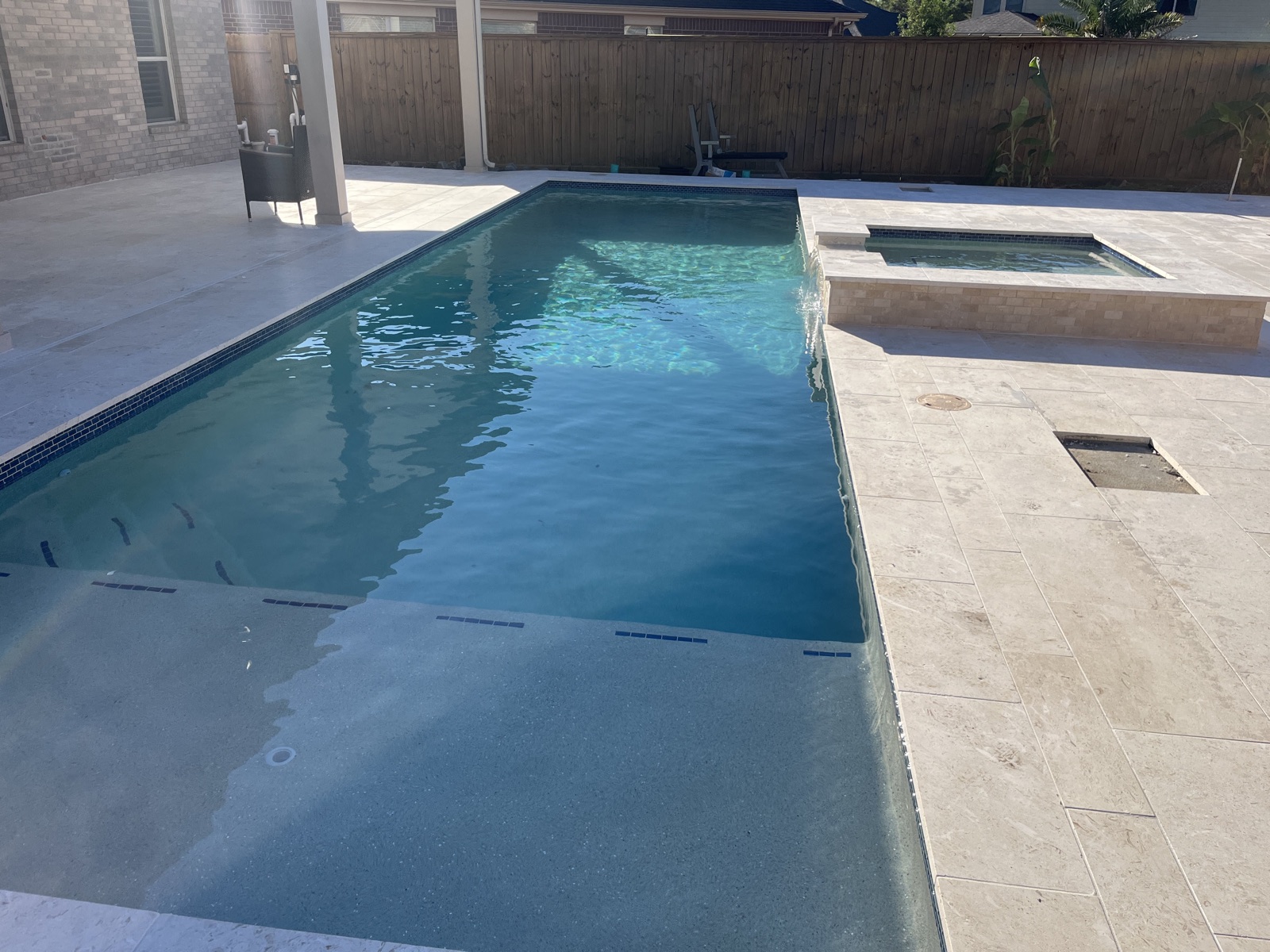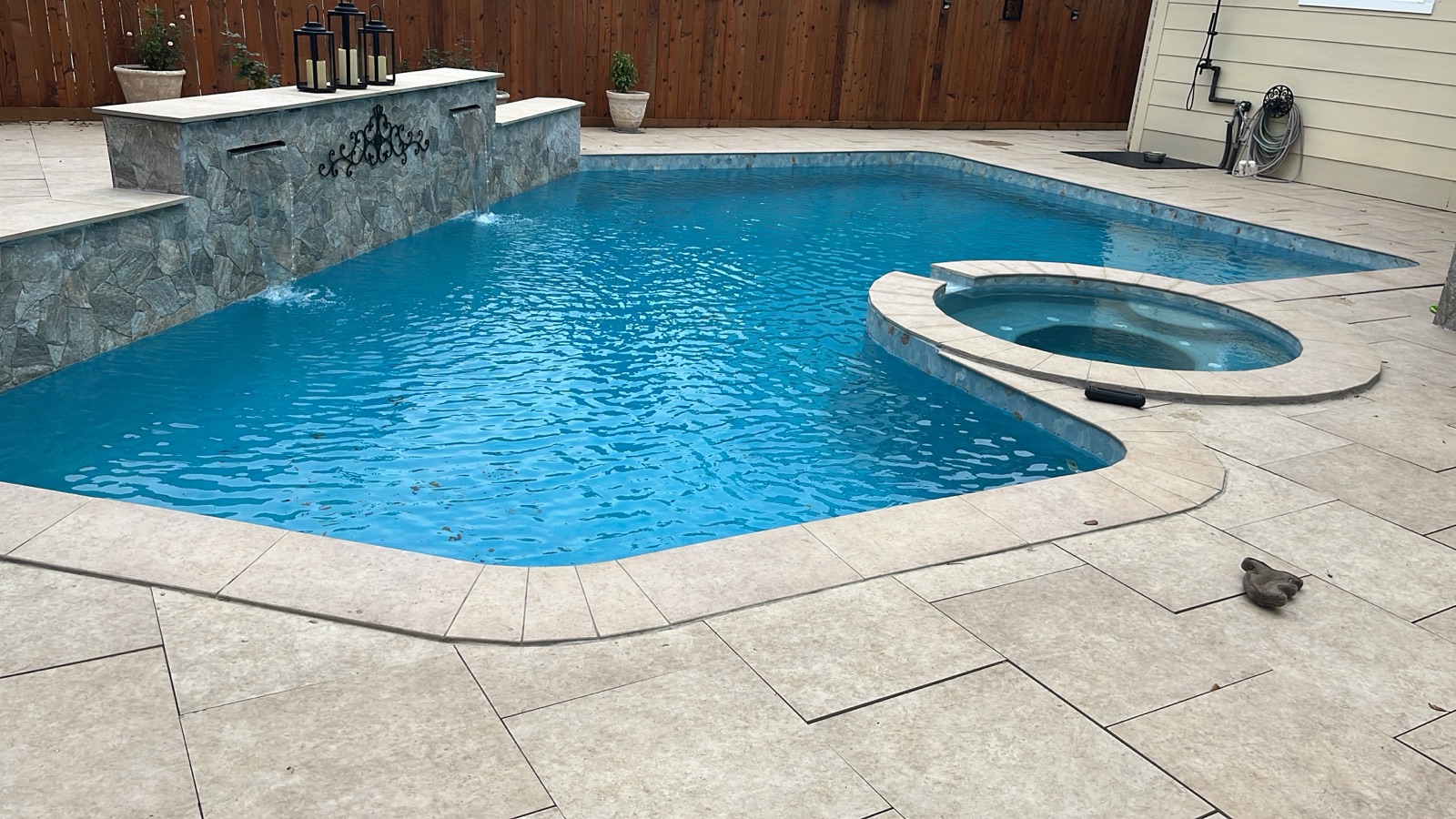
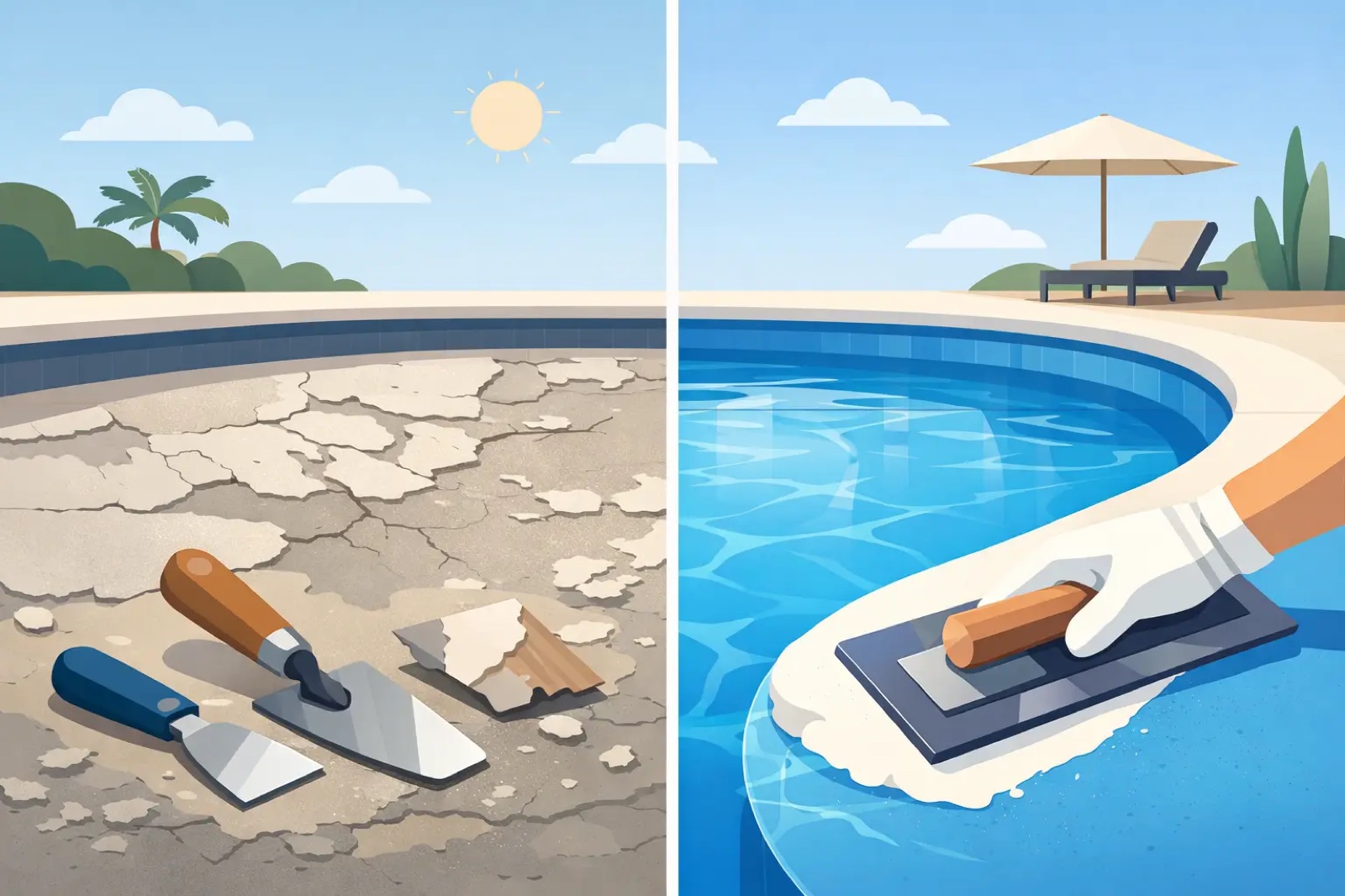
Pool plaster is the interior finish that covers the concrete shell and holds the water. It is the surface you see, feel, and touch every time you use the pool. When it starts to go, you notice it fast: rough texture, stubborn stains, chips, and chemistry problems that will not resolve no matter what you add to the water. Resurfacing fixes all of that, and done right it should last a decade or more before you need to do it again.
When to Replaster
The most obvious sign is texture. Pool plaster that has deteriorated past a certain point feels like rough sandpaper underfoot and on your hands when you push off the wall. That roughness is not just uncomfortable. It creates more surface area for algae to grip and harder-to-clean deposits to form, which means you spend more on chemicals and more time brushing to maintain water quality that should maintain itself with normal care.
Staining is another clear indicator. Some staining from metals in the water or organic debris is normal and removable with proper treatment. But when the stains do not respond to treatment, or when the discoloration is widespread and uneven across the floor and walls, that is plaster that has absorbed damage into its structure. Acid washing can help in some cases, but it also removes a thin layer of the plaster surface each time, which shortens the remaining useful life.
Visible chips, cracks in the plaster layer, or areas where the finish is flaking off indicate that the material has reached the end of its service life. In Texas heat, standard white plaster typically lasts seven to twelve years before these conditions become widespread. Quartz and pebble finishes generally last considerably longer because the aggregates are harder and more resistant to the chemical and UV exposure that breaks down standard plaster over time.
Plaster Options
White Plaster
Standard white plaster is a mixture of white Portland cement, marble dust, and water. It gives pools the classic, clean blue appearance that most people associate with pools and is the most affordable interior finish option. The tradeoff is that it shows staining more readily than other finishes, has the shortest lifespan of the main options, and can feel rough sooner than quartz or pebble in Texas heat and sun.
Quartz Finishes (Diamond Brite)
Quartz finishes add ground quartz aggregate to the plaster mix, which significantly improves durability and stain resistance. Diamond Brite is the most recognized brand in this category. These finishes last longer than standard plaster, hold their color better in UV exposure, and are more forgiving with water chemistry fluctuations. They are available in a range of colors and give the pool a slightly textured, richer appearance than white plaster.
Pebble Finishes (StoneScape, QuartzScape)
Pebble finishes use small river pebbles or quartz aggregates exposed through the surface of the plaster, creating a natural stone look and a tactile surface that many homeowners find very appealing. These finishes are the most durable option, often lasting fifteen or more years with proper care and maintenance. StoneScape and QuartzScape are the most common brands in this category. The natural variation in pebble and quartz creates depth and visual interest that white plaster cannot match, and the colors range from cool blues and grays to warm earth tones. In Texas, pebble finishes are widely used because the durability difference from white plaster is very apparent over a ten-year period.
The Resurfacing Process
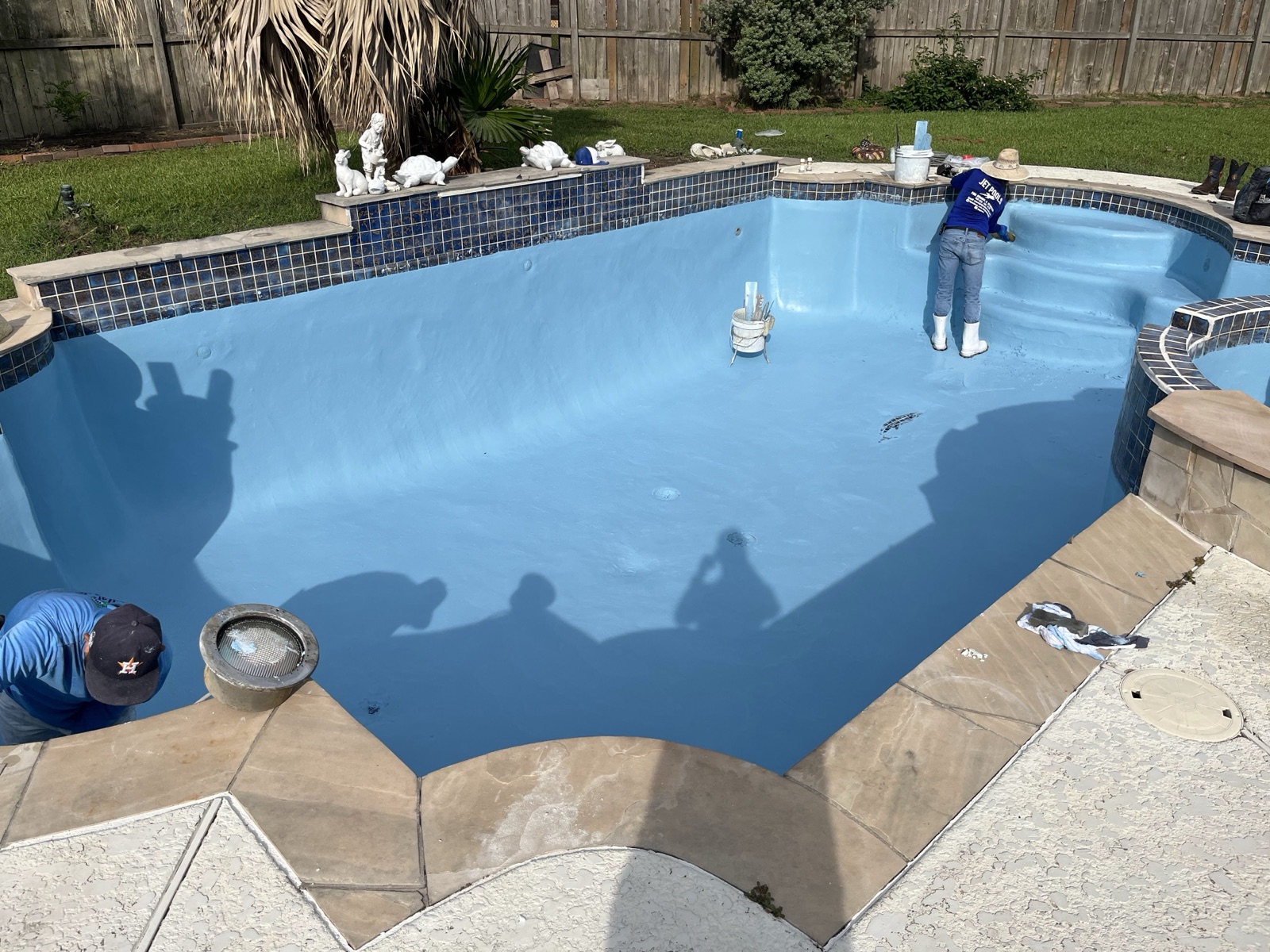
The pool is drained completely, which typically takes a day. The existing plaster is removed using chipping tools or hydroblasting, exposing the concrete shell underneath. The shell is inspected for cracks, spalls, or areas where the concrete has deteriorated. Any structural issues found at this stage are repaired before the new finish is applied. This is a critical step that affects how long the new plaster will last.
The pool surface is cleaned and prepared to accept the new finish. The plaster crew applies the new material, working quickly and systematically around the pool to ensure a consistent finish without cold joints. The pool is then filled immediately after application. The startup period is critical: the water chemistry must be carefully managed during the first several weeks after filling to ensure proper curing of the new surface. Rushing this step or letting chemistry get out of balance during cure can cause premature staining, rough texture, or inconsistent finish.
Pairing Replaster with Tile and Coping
Replastering while leaving old waterline tile and cracked coping in place is like repainting a room while leaving the trim broken and the baseboards dirty. The new surface makes the other issues more visible, not less. The most cost-effective and visually coherent approach is to address tile, coping, and interior finish at the same time. The pool is already drained, the crew is already there, and the combined cost is less than doing each item separately on different mobilizations.
At CHR Builder, our resurfacing projects include a proper inspection before any work is quoted. We carry a 10-year plaster warranty, transferable to a future owner, on all CHR plaster and pebble finishes. That is the kind of confidence that comes from using quality materials and doing the prep work correctly every time.
Ready to Talk to an Expert?
If you have questions about pool plaster resurfacing for your Katy or Houston pool, our owner is happy to talk through it on a free 15-minute call. No obligation, no sales pressure. Just a straight conversation with the person who will do the work.
Call us at (346) 481-3835 or book your free call at chrbuilder.com.